x
Finance Free Apps
CA-EN

Editions and Languages

  • Australia
  • Bahrain
  • Canada
  • France
  • Germany
  • India
  • Kenya
  • Kuwait
  • Mexico
  • Nigeria
  • Oman
  • Qatar
  • Saudi Arabia
  • Singapore
  • South Africa
  • United Arab Emirates
  • United Kingdom
  • United States
Global
  • Inventory
    • SKU Generator
    • Purchase Order Generator
    • Calculate Reorder Point
    • Economic Order Quantity
    • Break-even Point Calculator
    • Inventory Turnover Ratio
    • Packing Slip Generator
    • Barcode Generator
    • Shipping Label Generator
    • Wholesale price calculator
    • Lead Time Calculator
    • Average Inventory Calculator
    • Inventory Cost Calculator
    • Finished Goods Inventory Calculator
    • Beginning Inventory Calculator
    • Handling Fee Calculator
    • Retail Price Calculator
    • Sales Forecast Calculator
    • Work in Progress Calculator
    • Wholesale margin calculator
    • GMROI Calculator
    • Weeks on hand Calculator
    • Raw materials inventory calculator
    • Moving Average Cost Calculator
    • Cost of goods sold calculator
    • Sell through rate calculator
    • Fill rate calculator
    • Cost price calculator
    • Carrying cost calculator
    • Days inventory outstanding calculator
  • Billing
    • Create Invoices
    • Generate Estimates
    • Create Receipts
    • Discount Calculator
    • Revenue Forecast
    • Markup Calculator
  • Accounting
    • Project Cost Quote Calculator
    • Financial Report Templates
  • Expense
    • Expense Report Generator
    • Expense Report Template

Moving Average Cost Calculator

by Zoho Inventory
Check out Zoho Inventory
Sign up. It's Free!

Calculate your moving average cost

See how each new purchase changes your average cost per unit under the moving average costing method.

C$
C$

New moving average cost

C$ 0.00

What is moving average cost?

Moving average cost is an inventory valuation approach that recalculates your average cost per unit every time new stock arrives, blending the value of your existing inventory with the cost of the newest purchase. It's one version of the broader average cost method, sometimes called the average cost inventory method. It works best for businesses running a perpetual inventory system, where costs need to update continuously instead of at the end of a period.

What you need to know about moving average cost

  • Moving average cost updates automatically after every purchase, so unit costs stay current without manual recalculation.

  • Unlike periodic costing, moving average cost recalculates in real time as each new purchase enters the system.

  • Moving average cost smooths out price swings, giving a steadier per-unit cost than tracking each batch separately.

How to calculate moving average cost

Moving average cost =
(Current quantity × Current cost + New quantity × New cost)
(Current quantity + New quantity)

Why is calculating your moving average cost important?

More accurate margins

More accurate margins

Since the average cost per unit stays current, your gross margin and cost of goods sold figures reflect real, up-to-date purchase prices instead of stale batch costs.

Simplifies bookkeeping

Simplifies bookkeeping

There's no need to track individual purchase batches separately. One running average cost replaces layers of batch-by-batch recordkeeping.

Smooths out price volatility

Smooths out price volatility

Since each new purchase blends into the existing average rather than replacing it outright, a single price spike or drop from a supplier doesn't distort your reported inventory value the way it can under other costing methods.

Frequently asked questions

  • Weighted average cost is usually recalculated at the end of a set period, using your total purchases and total units for that period. Moving average cost recalculates immediately after every purchase, so it’s a live, running number rather than a periodic one.
  • Yes, every sale made after a purchase uses the newly recalculated average cost, so COGS reflects the most recent blended cost rather than the cost of any specific batch.
  • Businesses running a perpetual inventory system with frequent restocking, especially where individual batches aren’t tracked separately, tend to benefit most, since the method keeps cost data current without extra manual work.
Zoho Inventory logo

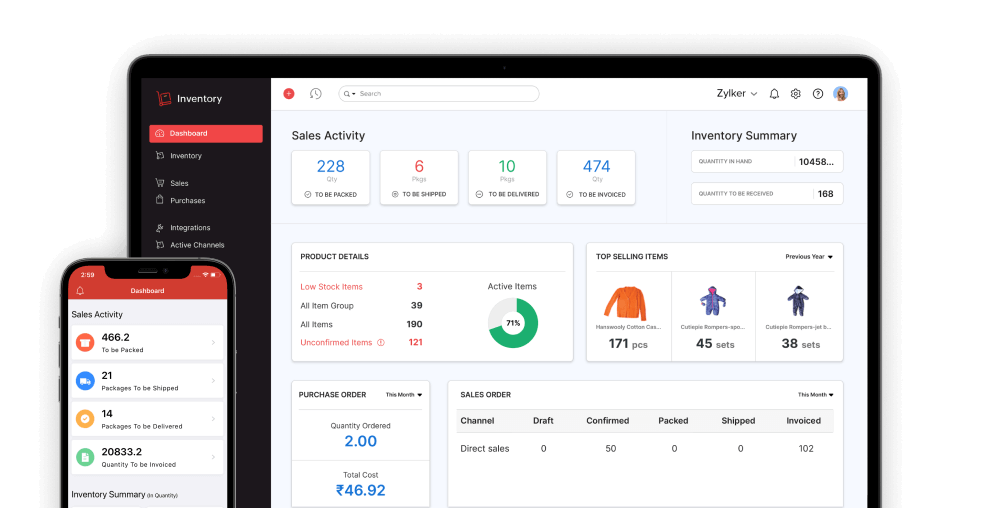
Simplify inventory and order management for your business

  • Inventory Control
  • Warehouse Management
  • Multichannel Selling
  • Order Management
  • End-to-end tracking
  • Mobile app
SIGN UP - IT'S FREE Zoho Inventory Dashboard