x
Finance Free Apps
ZA-EN

Editions and Languages

  • Australia
  • Bahrain
  • Canada
  • France
  • Germany
  • India
  • Kenya
  • Kuwait
  • Mexico
  • Nigeria
  • Oman
  • Qatar
  • Saudi Arabia
  • Singapore
  • South Africa
  • United Arab Emirates
  • United Kingdom
  • United States
Global
  • Inventory
    • SKU Generator
    • Purchase Order Generator
    • Calculate Reorder Point
    • Economic Order Quantity
    • Break-even Point Calculator
    • Inventory Turnover Ratio
    • Packing Slip Generator
    • Barcode Generator
    • Shipping Label Generator
    • Wholesale price calculator
    • Lead Time Calculator
    • Average Inventory Calculator
    • Inventory Cost Calculator
    • Finished Goods Inventory Calculator
    • Beginning Inventory Calculator
    • Handling Fee Calculator
    • Retail Price Calculator
    • Sales Forecast Calculator
    • Work in Progress Calculator
    • Wholesale margin calculator
    • GMROI Calculator
    • Weeks on hand Calculator
    • Raw materials inventory calculator
    • Moving Average Cost Calculator
    • Cost of goods sold calculator
    • Sell through rate calculator
    • Fill rate calculator
    • Cost price calculator
    • Carrying cost calculator
    • Days inventory outstanding calculator
  • Billing
    • Create Invoices
    • Generate Estimates
    • Create Receipts
    • Discount Calculator
    • Revenue Forecast
    • Markup Calculator
  • Accounting
    • Project Cost Quote Calculator
    • Financial Report Templates
  • Expense
    • Expense Report Generator
    • Expense Report Template

Cost of goods sold calculator

by Zoho Inventory
Check out Zoho Inventory
Sign up. It's Free!

Free Cost of Goods Sold Calculator

Find out what it costs to sell your products in any period

R
R
R

Cost of goods sold (COGS)

R 0.00

What is cost of goods sold?

Cost of goods sold (COGS) is the total direct cost of the goods a business sells during a specific period. It includes the cost of raw materials and labor directly tied to producing or purchasing inventory, but excludes indirect costs like marketing, rent, or administrative salaries.

What you need to know about cost of goods sold:

  • COGS only counts sold inventory — unsold goods sitting in your warehouse aren't included in the calculation.

  • A lower COGS relative to revenue means a higher gross profit margin — the first sign of business efficiency.

  • COGS appears on the income statement and directly reduces taxable income, making it a key figure at tax time.

How to calculate cost of goods sold

To apply the cost of goods sold formula, add the value of your inventory at the start of the period to any purchases made during that period, then subtract the value of inventory remaining at the end.

COGS = Beginning inventory + Purchases during the period − Ending inventory

Why is calculating cost of goods sold important?

Know your true profitability

Know your true profitability

COGS is what turns revenue into gross profit. Without it, you can't tell whether selling more is actually making you better off — or just keeping you busy.

Strengthens cost control

Set prices with confidence

Once you know your COGS, you have a floor for pricing. You can set margins deliberately rather than guessing, and adjust quickly when supplier costs shift.

Keep your books accurate and tax-ready

Keep your books accurate and tax-ready

COGS is a deductible business expense that reduces taxable income. Recording it consistently keeps your financial statements clean and simplifies year-end reporting.

Frequently asked questions

  • COGS includes all direct costs tied to producing or purchasing the goods your business sells — raw materials, direct labor, and manufacturing overhead directly attributable to production. It does not include indirect costs such as sales commissions, advertising, or general administrative expenses.
  • Cost of goods manufactured (COGM) is the total production cost of goods completed and moved into finished-goods inventory during a period. COGS is the portion of those goods that were actually sold. For businesses that sell everything they produce, the two figures are close — but COGS is always the number reported on the income statement.
  • Gross profit equals revenue minus COGS. The lower your COGS relative to revenue, the higher your gross profit margin. Tracking COGS over time shows whether production or procurement costs are rising faster than your selling prices.
  • An overstated COGS understates gross profit and taxable income, which can attract scrutiny from tax authorities. An understated COGS overstates profit and leads to a higher tax bill. Either way, inaccurate COGS distorts every financial metric that flows from it — from margin analysis to business valuation.
Zoho Inventory logo

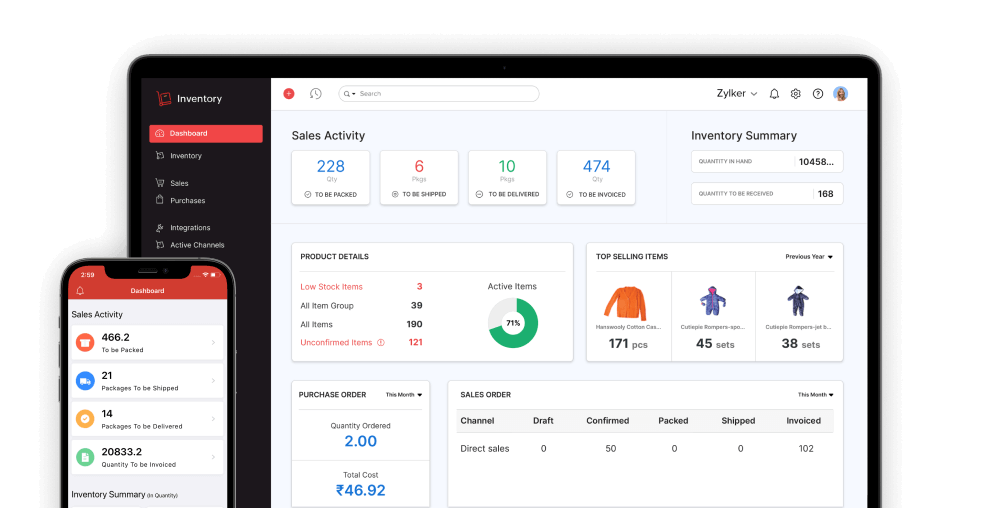
Simplify inventory and order management for your business

  • Inventory Control
  • Warehouse Management
  • Multichannel Selling
  • Order Management
  • End-to-end tracking
  • Mobile app
SIGN UP - IT'S FREE Zoho Inventory Dashboard